
In reaction, predict the increasing order of reactivity of the following alkyl halides
(A)
(B)
(C) 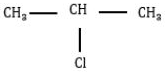
(D) 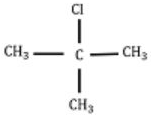
In reaction, predict the increasing order of reactivity of the following alkyl halides
(A)
(B)
(C)
(D)
Solution
✅ Correct Option: 4
SN2 reactivity depends on how easily the nucleophile can attack the carbon from the back. More alkyl groups on the carbon bearing Cl cause more steric hindrance and slower reaction.
The structures are: (A) methyl chloride, (B) primary (ethyl chloride), (C) 2-chloropropane, which is secondary, and (D) tert-butyl chloride, which is tertiary.
| Compound | Type | Steric hindrance | SN2 reactivity |
|---|---|---|---|
| (D) | Highest | Lowest | |
| (C) | High | Low | |
| (B) | Low | High | |
| (A) | methyl | Lowest | Highest |
The increasing order is (D) < (C) < (B) < (A).
Option 3: this is the order for SN1 reactivity reversed, not SN2. SN1 depends on carbocation stability, so tertiary is fastest there.
SN2 order:
Related questions:
2025: 29 May Shift 2
2025: 22 May Shift 1
2026: 19 May Shift 1
2025: 28 May Shift 1
2025: 13 May Shift 2