
Match the LIST-I with LIST-II.
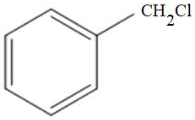
LIST-I Reaction of Alkyl Halides LIST-II Major Product A. I. B. II. C. III. D. IV.
Match the LIST-I with LIST-II.
| LIST-I Reaction of Alkyl Halides | LIST-II Major Product | ||
|---|---|---|---|
| A. | I. | ||
| B. | II. | ||
| C. | III. | ||
| D. | IV. |
Solution
✅ Correct Option: 2
| List I | List II |
|---|---|
| (A) | (III) |
| (B) | (I) |
| (C) | (IV) |
| (D) | (II) |
Aqueous KOH gives substitution (alcohol), while hot alcoholic KOH gives elimination (alkene).
KCN is ionic, so the carbon end attacks and gives the cyanide (nitrile). AgCN is covalent, so only the lone pair on nitrogen is available and it gives the isocyanide.
Related questions:
2026: 31 May Shift 2
2026: 11 May Shift 1
2025: 30 May Shift 2
2025: 14 May Shift 1