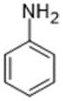
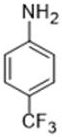
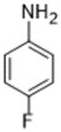
Arrange the following in the increasing order of in aqueous phase
(A)
(B)
(C)
(D)
Arrange the following in the increasing order of in aqueous phase
(A)
(B)
(C)
(D)
Solution
Higher basicity means lower , so the increasing order of is the decreasing order of basicity.
Alkyl groups push electrons towards nitrogen (+I effect) and make the lone pair more available. In water, the ammonium ion formed is also stabilised by hydrogen bonding. Together these make the secondary amine a stronger base than the primary amine, and both are stronger than .
In aniline, the lone pair on nitrogen is delocalised into the benzene ring by resonance, so it is least available and aniline is the weakest base.
Increasing :
(C) (secondary amine, strongest base)
(B) (primary amine)
(D)
(A) (weakest base, highest )
Option 2: places the primary amine ahead of the secondary amine, which is wrong in water, where the secondary ethylamine is the stronger base.
Options 1 and 4: put aniline or ammonia in the wrong place. Aniline is always weaker than because of resonance.
Related questions:
2025: 29 May Shift 2
2025: 13 May Shift 1
2025: 21 May Shift 2
2026: 20 May Shift 2
2025: 21 May Shift 1