
Catalytic hydrogenation of ketones with lithium aluminium hydride gives
Catalytic hydrogenation of ketones with lithium aluminium hydride gives
Solution
The hydride ion from attacks the carbonyl carbon of a ketone, and the alkoxide formed gives a secondary alcohol on hydrolysis.
The carbonyl carbon is bonded to two carbon groups. After it gains one H and becomes the C-OH carbon, it still has two carbon groups attached, so the alcohol is secondary.
Option 1: primary alcohols come from reducing aldehydes, carboxylic acids or esters.
Option 3: tertiary alcohols form when a Grignard reagent adds to a ketone, which is addition of a carbon group, not reduction.
Option 4: esters are not formed by reduction of ketones.
Strictly, reduces by hydride transfer and is not a catalytic hydrogenation. The product is the same secondary alcohol in either case.
Related questions:
2025: 21 May Shift 2
2025: 23 May Shift 2
2026: 30 May Shift 2
2025: 26 May Shift 2
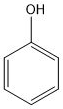
2025: 3 June Shift 2
2026: 19 May Shift 1