Arrange the following compounds in increasing order of reactivity towards Nucleophilic Substitution Reaction
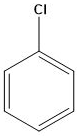
(A) Chlorobenzene
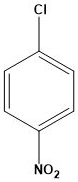
(B) 4- Nitrochlorobenzene
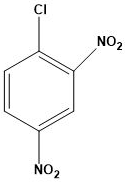
(C) 2,4 - Dinitrochlorobenzene
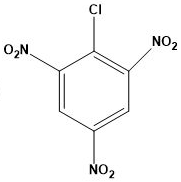
(D) 2,4,6-Trinitrochloronitrobenzene
Arrange the following compounds in increasing order of reactivity towards Nucleophilic Substitution Reaction
(A) Chlorobenzene
(B) 4- Nitrochlorobenzene
(C) 2,4 - Dinitrochlorobenzene
(D) 2,4,6-Trinitrochloronitrobenzene
Solution
Aryl halides react by nucleophilic aromatic substitution through a negatively charged intermediate (Meisenheimer complex). Electron-withdrawing groups at the ortho and para positions to Cl stabilise this intermediate by delocalising the negative charge. The more such groups there are, the faster the reaction.
| Compound | groups at o/p positions | Reactivity |
|---|---|---|
| (A) Chlorobenzene | 0 | lowest |
| (B) 4-Nitrochlorobenzene | 1 | higher |
| (C) 2,4-Dinitrochlorobenzene | 2 | higher still |
| (D) 2,4,6-Trinitrochlorobenzene | 3 | highest |
Increasing order:
Options 2 and 3: these place (D) below (C), but three o/p nitro groups stabilise the intermediate more than two.
Option 4: this reverses the trend, as if more nitro groups lowered reactivity.
Remember that a nitro group at the meta position does not help much, because it cannot delocalise the negative charge by resonance.
Related questions:
2025: 23 May Shift 2
2026: 24 May Shift 1
2026: 18 May Shift 2
2025: 2 June Shift 2
2025: 14 May Shift 1
2025: 24 May Shift 2