
Aldehydes and ketones undergo
Aldehydes and ketones undergo
Solution
The carbonyl carbon in aldehydes and ketones is electron-poor because the C=O bond is polarised (). A nucleophile attacks this carbon, the pi bond breaks, and the oxygen takes the negative charge. This gives an addition product, so the characteristic reaction is nucleophilic addition.
Examples: addition of HCN to form cyanohydrins, NaHSO to form bisulphite adducts, and Grignard reagents to form alcohols.
Option 1: nucleophilic substitution is typical of alkyl halides, where a leaving group is replaced. The carbonyl carbon has no leaving group, so the nucleophile adds instead.
Option 4: elimination is typical of alkyl halides and alcohols, giving alkenes.
Related questions:
2026: 19 May Shift 1
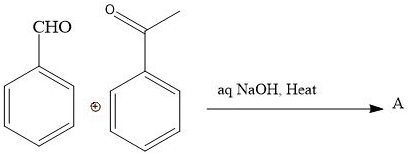
2025: 14 May Shift 1
2025: 15 May Shift 1
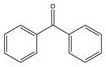
2026: 26 May Shift 1
2025: 21 May Shift 1

2026: 29 May Shift 1